
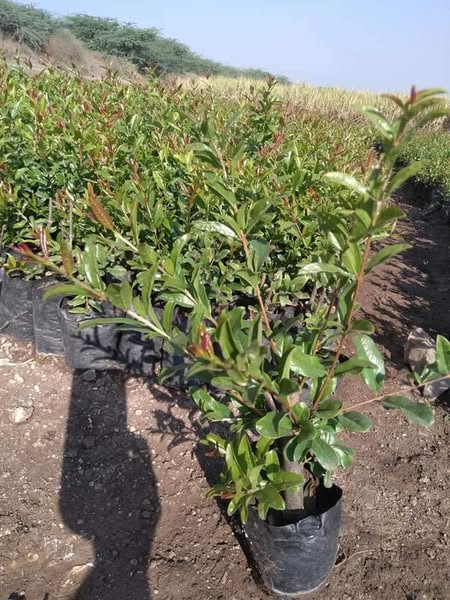
Pomegranate Seedlings
Original price was: KSh500.00.KSh400.00Current price is: KSh400.00.
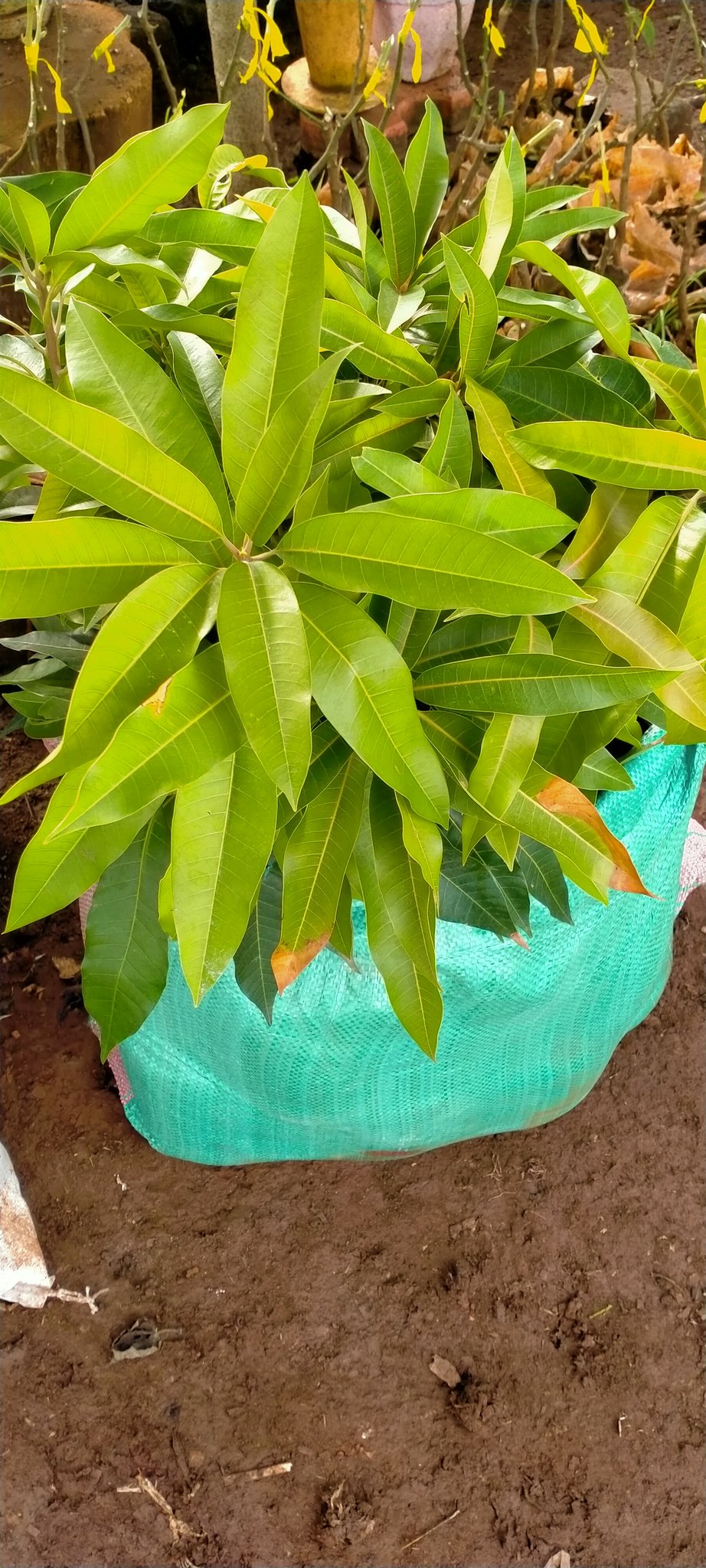
Unlock the vibrant potential of pomegranate farming with Organic Farm’s certified pomegranate seedlings (Punica granatum), featuring high-yielding varieties like Wonderful and Haku Botan, tailored for Kenya’s diverse climates. These ruby-red, antioxidant-rich fruits, packed with vitamins C, K, and folate, are in high demand for their health benefits and culinary versatility. Organically propagated from seeds in Muranga, Kenya, our KEPHIS-certified seedlings are selected for vigor and adaptability, ideal for farmers in regions like Makueni, Kitui, and beyond seeking a profitable, drought-tolerant crop.
Description
Pomegranate Seedlings
Unlock the vibrant potential of pomegranate farming with Organic Farm’s certified pomegranate seedlings (Punica granatum), featuring high-yielding varieties like Wonderful and Haku Botan, tailored for Kenya’s diverse climates. These ruby-red, antioxidant-rich fruits, packed with vitamins C, K, and folate, are in high demand for their health benefits and culinary versatility. Organically propagated from seeds in Muranga, Kenya, our KEPHIS-certified seedlings are selected for vigor and adaptability, ideal for farmers in regions like Makueni, Kitui, and beyond seeking a profitable, drought-tolerant crop.
Benefits of Pomegranate Farming
-
Nutritional Value: Rich in antioxidants (punicalagins), fiber, and minerals, pomegranates support heart health, reduce inflammation, and boost immunity, appealing to health-conscious consumers.
-
Versatile Uses: Enjoy fresh, juiced, or in salads, jams, wines, and desserts; seeds (arils) and rinds are used in supplements, cosmetics, and traditional medicine.
-
High Profitability: Yields 5–10 tonnes per acre, fetching competitive prices locally and higher for exports to Europe, the Middle East, and Asia, generating significant income per acre annually.
-
Drought Tolerance: Hardy, low-maintenance shrubs thrive in arid conditions, producing for 20–30 years, making them ideal for semi-arid regions like Makueni and Kitui.
Favorable Climates for Pomegranates in Kenya
Pomegranates thrive in hot, dry climates with temperatures of 20–35°C and rainfall of 500–1,000mm, tolerating drought and requiring minimal chilling hours. They grow at altitudes of 0–1,800m.
Suitable Regions in Kenya
-
Eastern Kenya: Makueni, Kitui, Machakos
-
Coastal Kenya: Mombasa, Kilifi, Kwale
-
Rift Valley: Baringo, Nakuru
-
Central Kenya: Murang’a, Thika
-
Western Kenya: Siaya, Bungoma
Soil Requirements
-
Soil Type: Well-drained loamy, sandy loam, or clay soils; tolerates poor, rocky, or saline soils.
-
Soil pH: 5.5–7.5 (slightly acidic to neutral); amend with lime if needed.
-
Nutrients: Enrich with organic matter like compost or manure.
-
Drainage: Essential to prevent root rot; avoid waterlogged areas.
Step-by-Step Guide to Planting Pomegranates
Site Preparation
-
Choose a sunny site with 6–8 hours of sunlight and good air circulation; pomegranates tolerate wind but benefit from windbreaks in exposed areas.
-
Clear weeds, rocks, and debris; plow to loosen soil and incorporate well-decomposed manure.
-
Test soil pH and ensure proper drainage.
Hole Preparation
-
Dig holes 60cm x 60cm x 60cm (2 ft x 2 ft x 2 ft), spaced 3m x 3m to 4m x 4m (250–400 shrubs per acre) to allow canopy growth.
-
Mix topsoil with 10–15kg well-decomposed manure and 125g double superphosphate fertilizer.
Planting Seedlings
-
Use KEPHIS-certified non-grafted seedlings from Organic Farm, propagated from seeds for genetic diversity and adaptability to local conditions.
-
Plant in early rainy seasons (March–May or October–November), placing the root collar at soil level; backfill, firm gently, and water thoroughly.
-
Soak roots in water for 2–3 hours before planting to reduce transplant shock.
Mulching
-
Apply 2–3 inches of organic mulch (e.g., straw, wood chips) to retain moisture, suppress weeds, and regulate soil temperature, keeping mulch 5cm from the stem.
Caring for Pomegranate Shrubs
-
Irrigation: Water young shrubs every 5–7 days (20–30 liters weekly) during dry periods; mature shrubs are drought-tolerant but benefit from irrigation during flowering and fruiting to enhance yield. Use drip irrigation for efficiency.
-
Fertilization: Apply NPK 10:10:10 or organic compost annually at the start of the rainy season; use potassium-rich fertilizers during fruiting to improve quality. Base applications on soil tests.
-
Pruning: Prune annually after harvest to remove suckers, dead branches, and maintain a bushy shape; keep shrubs at 2–3m for easy harvesting. Train to 3–5 main stems for optimal yield.
-
Pest and Disease Control: Monitor for aphids, fruit flies, and diseases like bacterial blight or fruit rot; use neem oil, insecticidal soap, or fungicides like RANSOM 600WP. Maintain orchard hygiene.
Plant Population and Spacing
-
Spacing: 3m x 3m to 4m x 4m (10 ft x 10 ft to 13 ft x 13 ft), depending on variety and land size.
-
Population: 250–400 shrubs per acre, optimizing yield and airflow.
Expected Production
-
Per Shrub: 10–30 kg of fruit annually at maturity (4–6 years), with seed-propagated shrubs taking longer to fruit than grafted ones.
-
Per Acre: 5–10 tonnes, generating significant income depending on local and export market prices.
-
Fruiting Timeline: Begins 3–5 years after planting, peaking at 6–8 years; harvest in July–September when fruits turn red and sound metallic when tapped.
Why Choose Organic Farm’s Pomegranate Seedlings?
Organic Farm is a trusted leader in sustainable agriculture in Kenya, empowering farmers with quality inputs. Our pomegranate seedlings offer:
-
KEPHIS-Certified Quality: Propagated from seeds of select varieties (Wonderful, Haku Botan) for high yields, flavor, and adaptability, certified by the Kenya Plant Health Inspectorate Service.
-
Superior Varieties:
-
Wonderful: Deep red, sweet-tart, ideal for fresh and juice markets.
-
Haku Botan: Juicy, high-yielding, suited for local and export markets.
-
-
Expert Support: Agronomic guidance on planting, pest control, and market linkages for local and export markets (Europe, Middle East, Asia).
-
Eco-Friendly Practices: Organic propagation supports soil health and biodiversity, aligned with good agricultural practices (GAP).
-
Nationwide Delivery: Reliable shipping across Kenya (e.g., Makueni, Kitui, Murang’a) and East Africa.
Join Kenya’s expanding pomegranate industry, driven by growing demand for health-focused fruits, with Organic Farm’s certified seedlings. Order now to establish a resilient orchard that delivers vibrant, profitable harvests for decades!
Contact: oxfarmorganic@gmail.com
Reviews
There are no reviews yet.