
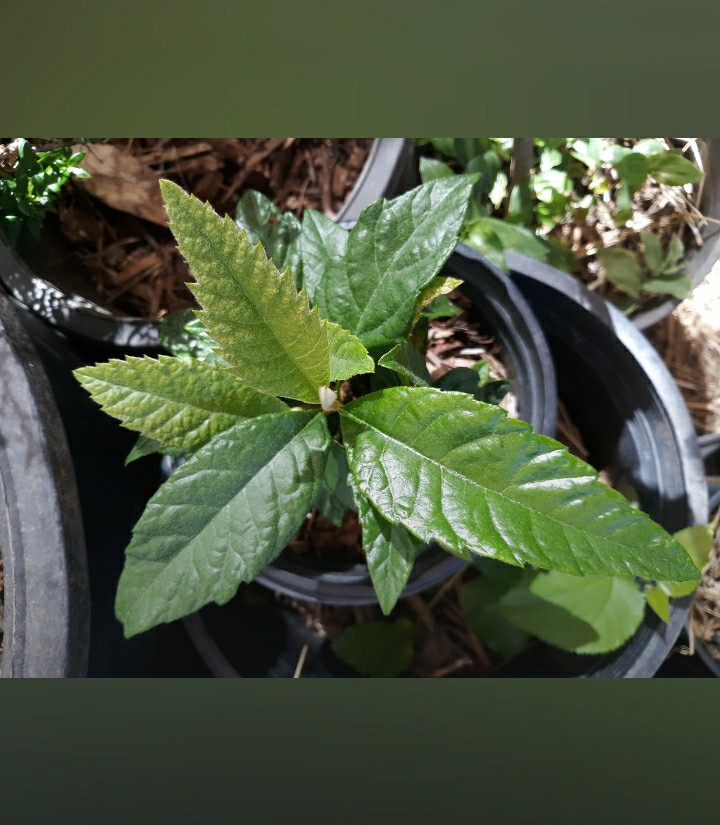
Loquat Seedlings
Original price was: KSh250.00.KSh100.00Current price is: KSh100.00.
Discover the promising potential of loquat farming with Organic Farm’s certified loquat seedlings (Eriobotrya japonica), also known as Japanese plum or “mbeera” in Central Kenya. These sweet, tangy fruits, rich in vitamins A, C, fiber, and antioxidants, are gaining popularity in Kenya for fresh consumption, juices, jams, and medicinal teas. Organically propagated in Muranga, Kenya, our KEPHIS-certified seedlings are selected for vigor, drought tolerance, and high yields, making them ideal for small-scale and commercial farmers looking to tap into an underserved market.
Description
Loquat Seedlings
Discover the promising potential of loquat farming with Organic Farm’s certified loquat seedlings (Eriobotrya japonica), also known as Japanese plum or “mbeera” in Central Kenya. These sweet, tangy fruits, rich in vitamins A, C, fiber, and antioxidants, are gaining popularity in Kenya for fresh consumption, juices, jams, and medicinal teas. Organically propagated in Muranga, Kenya, our KEPHIS-certified seedlings are selected for vigor, drought tolerance, and high yields, making them ideal for small-scale and commercial farmers looking to tap into an underserved market.
Benefits of Loquat Farming
-
Nutritional Value: High in vitamin A (10%) for eyesight, vitamin C (1%) for immunity, and dietary fiber for digestion; leaves are used in teas to soothe throat and lung issues, including bronchitis.
-
Versatile Uses: Enjoy fresh, or process into jams, jellies, chutneys, wines, or dried snacks; leaves yield herbal syrups, and seeds are used in beverages like nespolino rum in Mexico.
-
High Profitability: Yields 2–5 tonnes per acre, fetching KSh 50–100/kg locally, generating KSh 100,000–500,000 per acre annually. Kenya’s loquat market is expanding, with export potential to Europe and Asia.
-
Drought Tolerance: Hardy, low-maintenance trees thrive in varied climates, requiring minimal water once established, ideal for agroforestry and ornamental planting.
Favorable Climates for Loquats in Kenya
Loquats thrive in tropical to subtropical climates with temperatures of 18–25°C and annual rainfall of 1,000–1,200mm, performing well at altitudes of 900–2,100m. They tolerate semi-arid conditions with irrigation.
Suitable Regions in Kenya
-
Central Kenya: Murang’a, Nyeri, Kiambu, Kirinyaga
-
Eastern Kenya: Machakos, Makueni, Meru
-
Rift Valley: Nakuru, Baringo
-
Western Kenya: Bungoma, Kakamega
-
Coastal Kenya: Kilifi, Mombasa (lower altitudes)
Soil Requirements
-
Soil Type: Well-drained loamy or sandy loam soils rich in organic matter; avoid waterlogged areas.
-
Soil pH: 5.0–8.0 (slightly acidic to neutral); optimally 6.0; amend with lime if needed.
-
Nutrients: Enrich with manure or compost for optimal growth.
-
Altitude: Best at 900–2,100m; fruiting may vary near the equator at higher elevations.
Step-by-Step Guide to Planting Loquats
Site Preparation
-
Select a sunny site with 6–8 hours of sunlight and protection from strong winds; install windbreaks if necessary.
-
Clear weeds, rocks, and debris; plow to loosen soil and ensure proper drainage.
-
Test soil pH and incorporate organic matter to boost fertility.
Hole Preparation
-
Dig holes 60cm x 60cm x 60cm (2 ft x 2 ft x 2 ft), spaced 4–6m apart (100–150 trees per acre) to accommodate the rounded canopy.
-
Mix topsoil with 10–15kg well-decomposed manure and 125g double superphosphate fertilizer.
Planting Seedlings
-
Use KEPHIS-certified seedlings from trusted nurseries like Organic Farm for consistent quality and faster establishment.
-
Plant in early rainy seasons (March–May or October–November), placing seedlings at nursery depth with roots spread naturally; backfill, firm gently, and water thoroughly.
-
Soak roots in water for 2–3 hours before planting to reduce transplant shock.
Mulching
-
Apply 2–3 inches of organic mulch (e.g., straw, wood chips) around the base to retain moisture, suppress weeds, and regulate soil temperature, keeping mulch 5cm from the trunk.
Caring for Loquat Trees
-
Irrigation: Water young seedlings every 2–3 days (20–30 liters weekly) during dry periods; mature trees need deep watering monthly in warmer months or during drought. Drip irrigation enhances fruit quality.
-
Fertilization: Apply nitrogen-based fertilizer or chicken manure three times yearly; use complete fertilizer (e.g., NPK 10:10:10) once annually in peak growing season. Base applications on soil tests.
-
Pruning: Prune bi-monthly in the first two years to keep branches under 3 feet, encouraging bushier growth and more fruiting surfaces; remove dead or diseased branches annually.
-
Pest and Disease Control: Monitor for fruit flies (tiny holes or maggots in fruit) and diseases like fire blight or anthracnose; use neem oil, pheromone traps, or fungicides like RANSOM 600WP. Maintain orchard hygiene.
Plant Population and Spacing
-
Spacing: 4–6m (13–20 ft) for standard varieties; closer for dwarf types.
-
Population: 100–150 trees per acre, depending on canopy size and pruning practices.
Expected Production
-
Per Tree: 20–100 kg of fruit annually at maturity (5–6 years), with clusters of 3–5 fruits.
-
Per Acre: 2–5 tonnes per acre, yielding KSh 100,000–500,000 at KSh 50–100/kg, with peak production at 6–8 years.
-
Fruiting Timeline: Begins 4–6 years after planting; fruits ripen from spring to early summer (December–February in Kenya).
Why Choose Organic Farm’s Loquat Seedlings?
Organic Farm is a trusted leader in sustainable agriculture in Kenya, empowering farmers with quality inputs. Our loquat seedlings offer:
-
KEPHIS-Certified Quality: Propagated from select varieties for high yields, flavor, and drought tolerance, certified by the Kenya Plant Health Inspectorate Service.
-
Superior Varieties:
-
Standard Loquat: Yellow-orange, sweet-tangy, ideal for fresh eating and processing.
-
Hybrid Selections: Improved varieties under development for consistent fruit quality and market appeal.
-
-
Expert Support: Agronomic guidance on planting, pest control, and market linkages for local and export markets, including value addition for jams and teas.
-
Eco-Friendly Practices: Organic propagation ensures soil health and biodiversity, aligned with good agricultural practices (GAP).
-
Nationwide Delivery: Reliable shipping across Kenya (e.g., Murang’a, Nakuru, Machakos) and East Africa.
Tap into Kenya’s growing loquat market, driven by rising demand during the festive season (December), with Organic Farm’s certified seedlings. Order now to establish a resilient orchard that delivers nutritious, profitable harvests for decades
Contact: oxfarmorganic@gmail.com
Reviews
There are no reviews yet.