
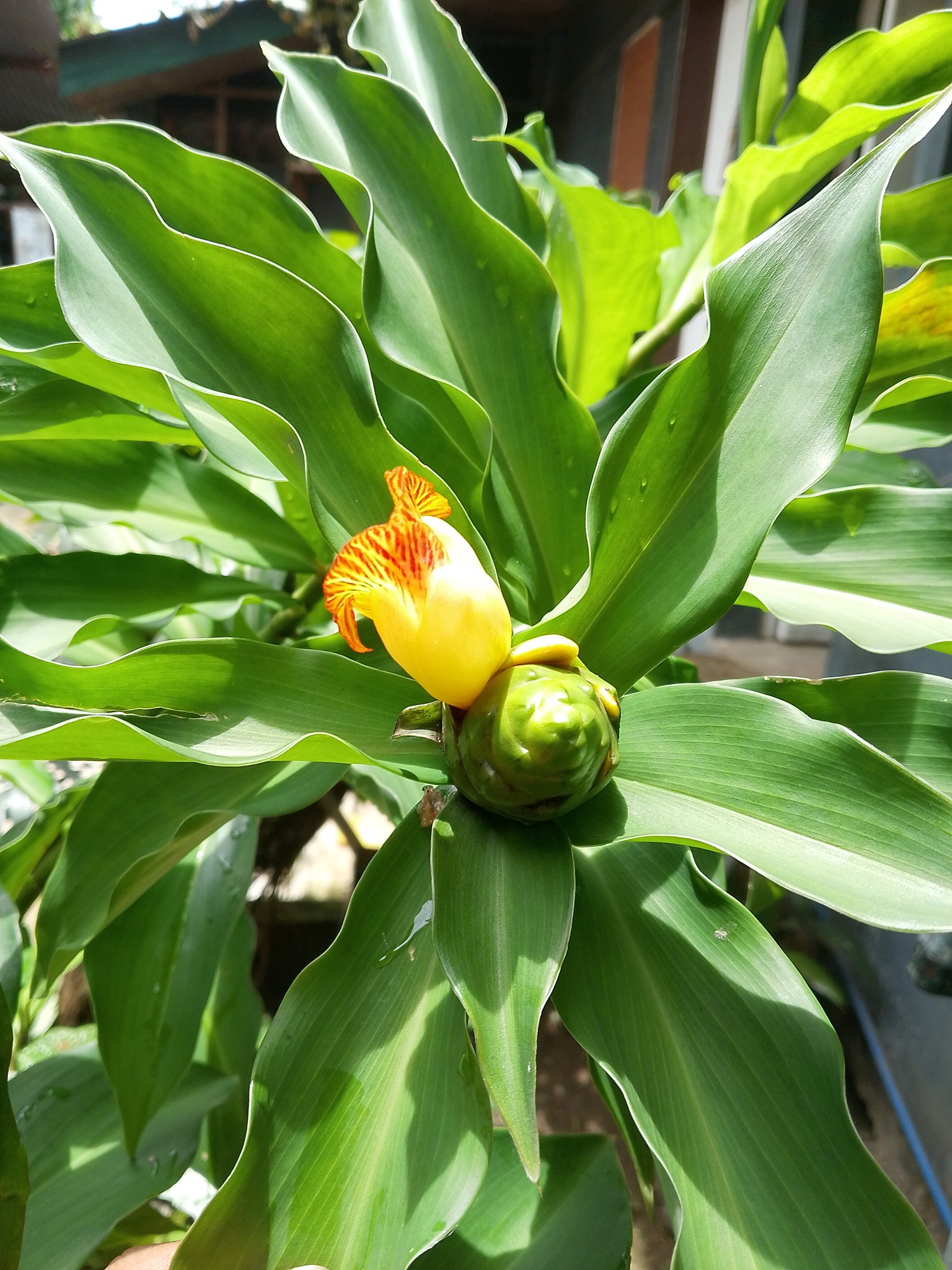
Insulin Plant Farming in Kenya: A Beginner’s Guide to Organic Insulin Plant Cultivation
The insulin plant (Costus igneus), also called spiral flag, is a medicinal herb perfect for Kenyan home gardeners and small-scale farmers. At Organic Farm, we’re here to help you grow this health-boosting plant organically with minimal effort. This beginner-friendly guide covers all you need to cultivate insulin plant in Kenya, from simple setup to pest control, health benefits, and turning your harvest into profit.
Why Insulin Plant is a Beginner’s Medicinal Marvel

The insulin plant is a high-value, low-maintenance crop with growing demand in Kenya’s herbal markets, especially for diabetes management. Its ease of growth, small space requirements (perfect for pots or small plots), and harvest within 6–12 months make it ideal for beginners. Organic insulin plant leaves and products like teas and powders fetch premium prices, providing income from home-based farming. With Kenya’s 2.1 million diabetes cases in 2022 and global interest in natural remedies, this herb is a smart, sustainable choice for small-scale farmers.
Climatic Conditions for Insulin Plant
The insulin plant loves warm, humid climates, thriving across many Kenyan regions. Here’s what it needs:
- Temperature: Ideal range is 21°C–38°C (70°F–100°F). It’s frost-sensitive, so avoid planting in cold areas above 1,500 meters or protect plants in Nyeri during cool seasons.
- Rainfall: Needs 800–2,000 mm annually. Irrigation is key in drier areas like Machakos during dry spells.
- Altitude: Grows from sea level to 1,500 meters. Coastal counties (Mombasa, Kilifi, Kwale), Western Kenya (Kisumu, Kakamega), and Central Kenya (Nairobi, Kiambu) are excellent spots.
- Sunlight: Prefers partial shade (4–6 hours of filtered light) to avoid leaf scorching.
- Soil: Requires well-drained loamy or sandy loam soils with a pH of 6.0–7.0, enriched with organic matter.
Beginner Tip: Grow in pots with a mix of compost and sand for easy drainage, perfect for urban gardens in Nairobi.
Step-by-Step Growing Manual
1. Selecting Quality Planting Material
Start with stem cuttings (15–20 cm, 2–3 nodes) from healthy plants, as seeds are rare and slow to germinate. Source certified cuttings from trusted suppliers like Organic Farm for reliable growth.
- Get Yours: Contact Organic Farm at oxfarmorganic@gmail.com or +254 712 075915 for KEPHIS-certified insulin plant cuttings.
2. Land or Pot Preparation
For small plots, clear weeds and till soil to 15–20 cm, mixing in 1–2 kg of compost per square meter. For pots, use 10–15 liter containers with a mix of 60% loamy soil, 30% compost, and 10% sand for drainage. Test soil pH and adjust with lime (acidic) or sulfur (alkaline) to reach 6.0–7.0.
3. Planting
Plant during rainy seasons (March–April or October–November) for best results. Insert cuttings 5–7 cm deep in soil or pots, spaced 30 cm apart. Water well to settle roots. In small gardens, 5–10 plants are enough to start.
4. Irrigation
Keep soil moist but not soggy. Water every 2–3 days in dry weather, reducing to every 5–7 days for established plants. Use a watering can or drip system for pots to avoid overwatering.
5. Fertilization
Add 0.5–1 kg of organic compost or manure per plant (or pot) every 2–3 months. Apply a liquid organic fertilizer like compost tea monthly to boost leaf growth. Avoid chemical fertilizers to maintain organic quality.
6. Weed Control
Mulch with straw or dry leaves to suppress weeds and retain moisture. Hand-weed gently around young plants to avoid root disturbance.
7. Pruning
Trim dead or yellow leaves every 2–3 months to encourage new growth. Pinch back tips to promote bushiness, especially in pots.
8. Harvesting
Harvest leaves 6–12 months after planting, when plants are 30–60 cm tall. Pick 2–4 leaves per plant weekly, leaving enough for regrowth. Harvest in the morning for maximum potency.
9. Post-Harvest Handling
Rinse leaves and use fresh, or dry in the shade for 3–5 days to preserve nutrients. Store dried leaves in airtight jars. Grind into powder or package as tea for sale.
Pests and Diseases: Organic Control
The insulin plant is fairly resilient, but beginners should watch for these issues:
| Pest/Disease | Description | Organic Control |
|---|---|---|
| Aphids | Tiny insects causing leaf curl. | Spray neem oil (1 tsp/liter water) or soapy water; attract ladybugs. |
| Spider Mites | Cause stippling on leaves in dry conditions. | Mist plants to raise humidity; use neem-based sprays. |
| Root Rot | Fungal issue from overwatering. | Ensure good drainage; apply Trichoderma biofungicide. |
| Mealybugs | White, cottony pests on stems. | Wipe with alcohol-soaked cotton; use neem oil. |
Beginner Tip: Plant marigolds nearby to repel pests naturally and add beauty to your garden.
Health Benefits of Insulin Plant
The insulin plant is prized for its medicinal properties, boosting its market value:
- Blood Sugar Control: Corosolic acid may lower fasting and postprandial blood sugar, helping manage diabetes (studies show effects within 15 days).
- Antioxidant Boost: Flavonoids and phenols reduce oxidative stress, supporting overall health.
- Immune Support: Vitamin C enhances immunity and fights infections.
- Anti-Inflammatory: Reduces inflammation, aiding conditions like arthritis.
- Digestive Aid: Promotes gut health and relieves mild digestive issues.
Caution: Overuse may cause low blood sugar, dizziness, or diarrhea. Consult a doctor, especially if on diabetes medication.
Uses of Insulin Plant
The insulin plant’s versatility drives its appeal:
- Medicinal: Chew 1–2 fresh leaves daily, brew as tea, or use powders for diabetes management.
- Culinary: Add sparingly to salads or teas for health benefits.
- Supplements: Process into capsules or extracts for wellness products.
- Cosmetic: Extracts used in skincare for anti-inflammatory effects.
- Ornamental: Grown in pots or gardens for its spiraling leaves and orange flowers.
Market Demand and Turning Insulin Plant into Profit
Demand
In Kenya, fresh insulin plant leaves sell for KSh 100–500 per kg in local markets like Nairobi and Mombasa, with dried leaves or powders fetching KSh 500–1,500 per kg. Processed products like teas and extracts can reach KSh 3,000 per kg in export markets (India, Europe, USA), driven by diabetes remedy demand.
Marketing Strategies
- Organic Branding: Promote your chemical-free plants to attract health-focused buyers.
- Local Markets: Sell to herbalists, health shops, or farmers’ markets in urban areas.
- Online Sales: Use social media or e-commerce platforms linked to Organic Farm’s website for broader reach.
- Value Addition: Dry leaves, make tea bags, or powder for higher profits.
- Community Sales: Supply neighbors or local clinics for small-scale income.
Monetization Tips
- Micro-Business: Start with 10–20 plants in pots for low-cost entry, scaling up with demand.
- Workshops: Host small classes on insulin plant benefits or home cultivation for extra income.
- Bundling: Sell with other herbs like moringa for diverse herbal packages.
Future Prospects
Insulin plant farming has a promising future in Kenya, with diabetes prevalence (2.1 million cases in 2022) driving local demand and global herbal markets expanding. Small-scale farmers benefit from low startup costs and high returns, especially with organic certification. Kenya’s herbal medicine initiatives, like those from KEMRI, support farmers through research and market linkages. Challenges like limited awareness can be overcome with community education, while value-added products ensure long-term profitability.
Start Your Insulin Plant Journey with Organic Farm
Ready to grow this medicinal marvel? Organic Farm offers KEPHIS-certified insulin plant cuttings, beginner-friendly advice, and nationwide delivery. Contact us today:
- Email: oxfarmorganic@gmail.com
- Phone: +254 712 075915
- Website: organicfarm.co.ke
With organic practices and a passion for health, your small garden can become a source of wellness and wealth. Plant today and harvest the healing rewards of tomorrow.