
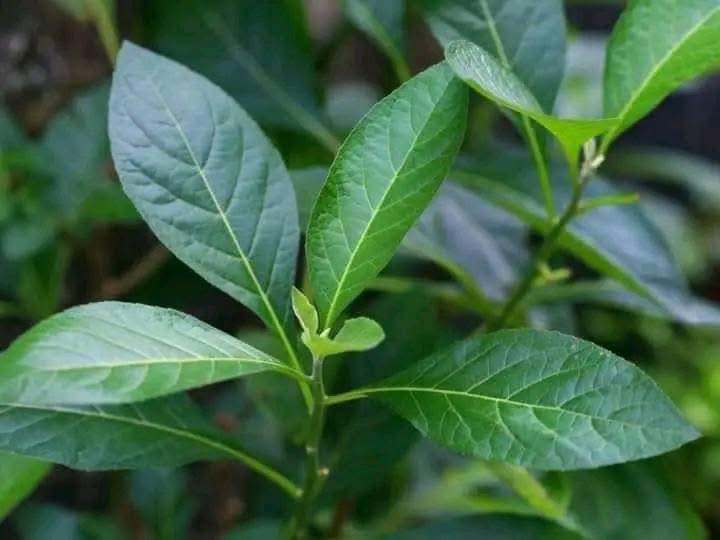
Bitter Leaf Farming in Kenya: A Farmer’s Guide to Organic Cultivation Success
Bitter leaf (Vernonia amygdalina), a native African medicinal and culinary plant, is a powerhouse crop gaining popularity in Kenya for its versatility and health benefits. At Organic Farm, we’re dedicated to helping you grow bitter leaf organically, ensuring sustainability and profitability. This comprehensive guide covers everything you need to cultivate bitter leaf in Kenya, from ideal growing conditions to pest management, health benefits, and strategies to turn your harvest into a lucrative venture.
Why Bitter Leaf is a Farmer’s Healing Treasure
Bitter leaf is a high-value crop with strong demand in local and emerging international markets, driven by its use in traditional medicine, modern supplements, and culinary dishes. Its rapid growth (harvestable in 3–6 months), low maintenance, and resilience make it ideal for Kenyan farmers. Organic bitter leaf commands premium prices, offering income streams from fresh leaves, dried products, and value-added goods like teas and powders. With Kenya’s growing focus on medicinal plants, bitter leaf is a smart choice for sustainable farming.
Climatic Conditions for Bitter Leaf
Bitter leaf thrives in warm, tropical to subtropical climates, making it well-suited to many Kenyan regions. Here’s what it needs:
- Temperature: Optimal range is 20°C–35°C (68°F–95°F). It tolerates heat well but is sensitive to frost below 10°C, so protect young plants in cooler areas like Nyeri.
- Rainfall: Requires 800–1,500 mm annually, well-distributed. Irrigation supports growth in drier regions like Machakos during dry spells.
- Altitude: Grows from sea level to 2,000 meters. Coastal counties (Mombasa, Kilifi, Kwale), Western Kenya (Kisumu, Kakamega), and Central Kenya (Kiambu, Murang’a) are prime locations.
- Sunlight: Needs full sun to partial shade (6–8 hours daily) for optimal leaf production.
- Soil: Prefers well-drained loamy or sandy loam soils with a pH of 5.5–7.0, enriched with organic matter.
Healing Tip: In semi-arid areas, use organic mulch like straw to retain soil moisture and enhance plant resilience.
Step-by-Step Growing Manual
1. Selecting Quality Planting Material
Bitter leaf is primarily propagated using stem cuttings from healthy, mature plants, as seeds are less common and slower to germinate. Choose 15–20 cm cuttings with 2–3 nodes from disease-free plants. Source certified cuttings from trusted suppliers like Organic Farm to ensure vigorous growth.
- Get Yours: Contact Organic Farm at oxfarmorganic@gmail.com or +254 712 075915 for KEPHIS-certified bitter leaf cuttings.
2. Land Preparation
Select a site with good drainage and ample sunlight. Plow the land to a depth of 15–20 cm, removing weeds and debris. Incorporate 8–10 tons per hectare of well-decomposed compost or manure to enrich soil fertility and structure. Test soil pH and adjust with lime for acidic soils or sulfur for alkaline ones to achieve the ideal range of 5.5–7.0.
3. Planting
Plant during the rainy seasons (March–April or October–November) to support root establishment. Insert cuttings 5–10 cm deep into the soil, spaced 50 cm apart in rows 1 meter apart. Alternatively, root cuttings in a nursery for 4–6 weeks before transplanting. Water thoroughly after planting to ensure good root contact.
4. Irrigation
Keep soil consistently moist, especially during early growth. Water young plants every 2–3 days in dry periods, avoiding waterlogging. Mature plants can tolerate short dry spells but benefit from watering every 7–10 days. Use drip irrigation to conserve water and target the root zone.
5. Fertilization
Apply 5–8 kg of organic compost or manure per plant annually, split between the rainy seasons. Supplement with organic fertilizers like compost tea or fish emulsion (high in nitrogen and potassium, e.g., 10:5:10 NPK) every 4–6 weeks to boost leaf production. Avoid excessive nitrogen to prevent soft growth prone to pests.
6. Weed Control
Use organic mulches like grass clippings or coconut husks to suppress weeds and retain moisture. Hand-weed regularly, especially during the first 2–3 months, to prevent competition for nutrients.
7. Pruning
Prune regularly to encourage bushy growth and higher leaf yield. Remove old or damaged leaves and cut back overgrown stems to promote new shoots. Pruning also improves air circulation, reducing disease risk.
8. Harvesting
Harvest tender leaves 3–6 months after planting, when they are green and vibrant. Cut leaves with a sharp knife or scissors, leaving some foliage for regrowth. Harvest in the morning for optimal nutrient content.
9. Post-Harvest Handling
Wash leaves gently to remove dirt, then air-dry in the shade to preserve nutrients and flavor. For long-term storage, dry leaves completely and store in airtight containers away from sunlight. Process into powders or teas for value addition.
Pests and Diseases: Organic Control
Bitter leaf is relatively pest-resistant due to its bitter compounds, but some challenges may arise. Here’s how to manage them organically:
| Pest/Disease | Description | Organic Control |
|---|---|---|
| Aphids | Sap-sucking insects causing leaf curl. | Spray neem oil or insecticidal soap (1 tsp/liter); introduce ladybugs. |
| Leaf Miners | Larvae create tunnels in leaves. | Remove affected leaves; use neem-based sprays. |
| Whiteflies | Small pests weakening plants by sucking sap. | Use yellow sticky traps or neem-based sprays. |
| Leaf Spot | Fungal disease causing brown spots on leaves. | Prune for airflow; apply copper-based organic fungicides. |
| Root Rot | Fungal infection from waterlogged soils. | Improve drainage; apply Trichoderma biofungicides. |
Healing Tip: Intercrop with pest-repellent plants like marigolds or onions to deter insects and enhance soil health.
Health Benefits of Bitter Leaf
Bitter leaf is a nutritional and medicinal gem, driving its market appeal:
- Antioxidant-Rich: Contains flavonoids and alkaloids that combat oxidative stress, reducing chronic disease risk.
- Diabetes Management: May help regulate blood sugar levels, as noted in studies.
- Immune Support: High in vitamins A and C, boosting immunity.
- Digestive Aid: Relieves indigestion and promotes gut health.
- Anti-Malarial: Traditionally used to treat malaria and fevers.
Caution: Excessive consumption may cause mild side effects like nausea; consult a healthcare provider for medicinal use.
Uses of Bitter Leaf

Bitter leaf’s versatility makes it a market favorite:
- Culinary: Used in soups, stews, and sauces (e.g., egusi or ndolé) for its unique bitter flavor.
- Medicinal: Consumed as teas, juices, or extracts for diabetes, malaria, and digestive issues.
- Supplements: Processed into powders or capsules for health products.
- Natural Pesticide: Leaf extracts repel insects in organic farming.
- Value-Added Products: Create teas, powders, or health supplements for higher profits.
Market Demand and Turning Bitter Leaf into Profit
Demand
Bitter leaf enjoys strong demand in Kenya, with fresh leaves selling for KSh 100–300 per kg in local markets like Nairobi, Mombasa, and Kisumu. Organic dried leaves and processed products like teas and powders fetch up to KSh 500–800 per kg in urban centers and export markets, particularly in Europe and the USA, where natural remedies are trending.
Marketing Strategies
- Organic Branding: Highlight your sustainable practices to attract health-conscious buyers.
- Local Markets: Supply to supermarkets, herbalists, and restaurants in urban centers.
- Export Channels: Partner with export agencies to meet international standards and tap into global demand, ensuring KEPHIS compliance.
- Value Addition: Process leaves into dried powders, teas, or capsules to increase profitability and shelf life.
- Digital Presence: Promote your bitter leaf products on social media, linking to Organic Farm’s website for online sales.
Monetization Tips
- Farmer Cooperatives: Join groups to access bulk buyers and reduce costs.
- Direct Sales: Sell fresh or dried leaves at local markets or set up a farm stall for higher margins.
- Agrotourism: Offer bitter leaf harvesting or medicinal plant workshops to diversify income.
Future Prospects
Bitter leaf farming in Kenya has a promising future, driven by the global surge in demand for natural and medicinal plants. Its role in traditional African medicine and growing use in modern supplements position it as a key crop for export markets. Kenya’s agricultural initiatives, such as those from the Ministry of Agriculture, support farmers through training and market linkages, enhancing profitability. Challenges like limited processing infrastructure can be addressed by investing in value addition, while climate resilience ensures long-term viability.
Start Your Bitter Leaf Journey with Organic Farm
Ready to grow this healing herb? Organic Farm offers KEPHIS-certified bitter leaf cuttings, expert agronomic support, and nationwide delivery. Contact us today:
- Email: oxfarmorganic@gmail.com
- Phone: +254 712 075915