Brazilian Cherry Seedlings
Original price was: KSh800.00.KSh600.00Current price is: KSh600.00.
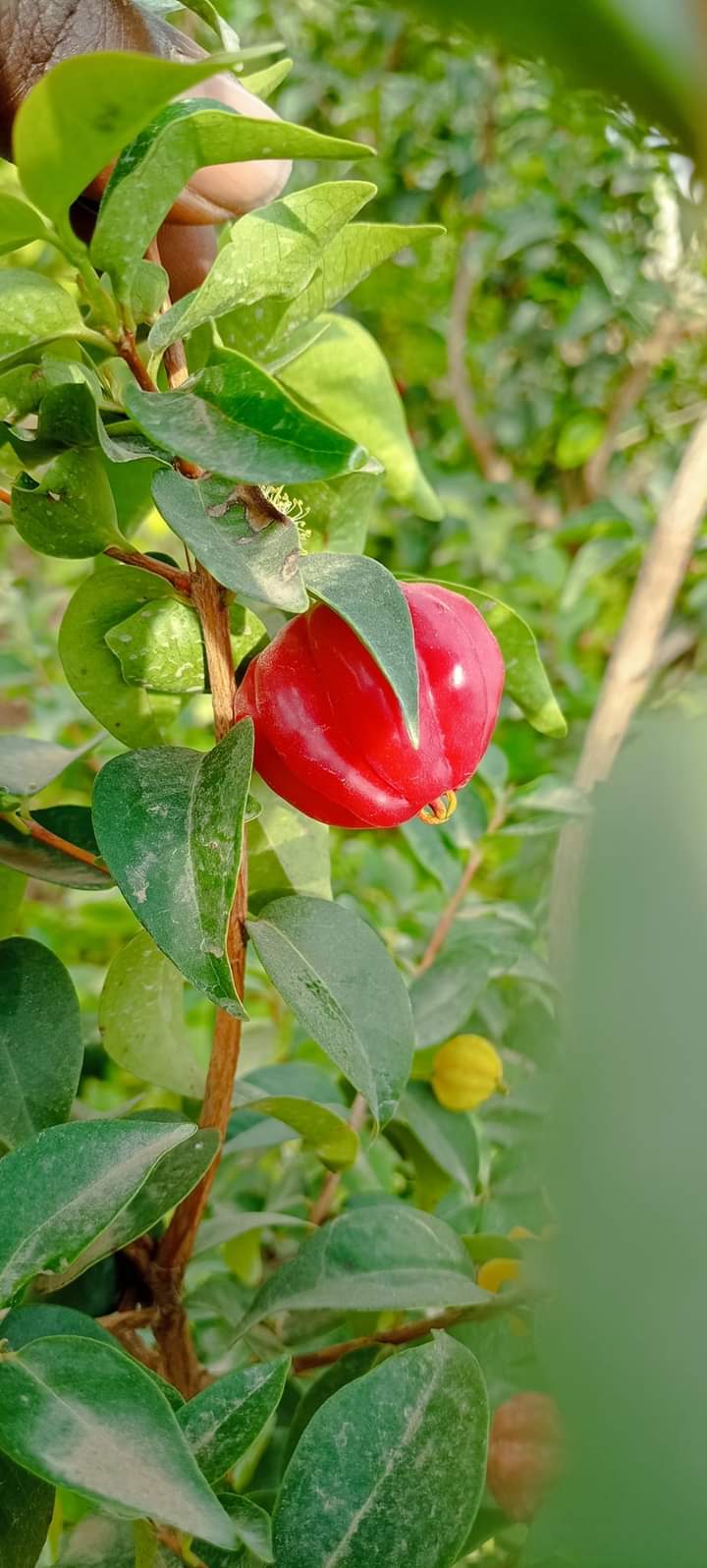
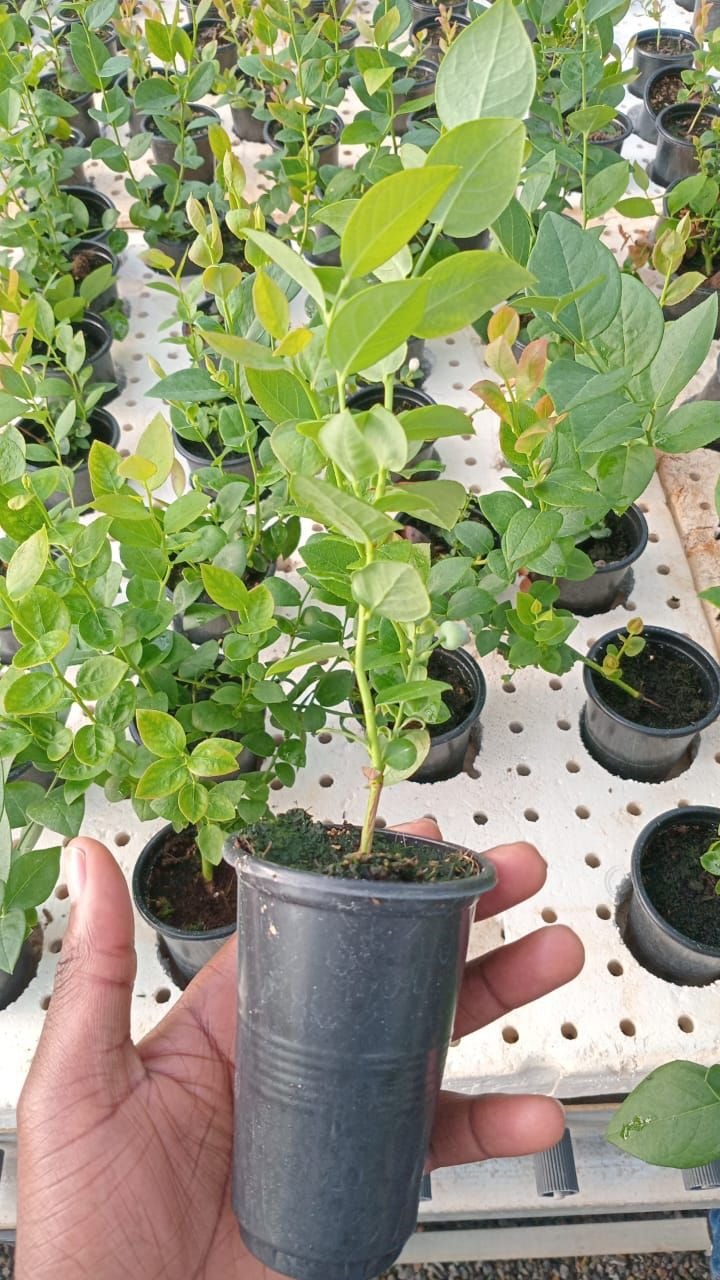
Elevate your farm with Organic Farm’s premium Brazilian Cherry seedlings (Eugenia uniflora), also known as Surinam Cherry or Grumichama. These vibrant, sweet-tart berries are rich in vitamins A and C, antioxidants, and fiber, making them a sought-after exotic fruit in Kenya. Our certified seedlings, organically grown in Muranga, Kenya, are perfect for farmers and gardeners looking to diversify with a high-value, low-maintenance crop.
Description
Brazilian Cherry Seedlings
Elevate your farm with Organic Farm’s premium Brazilian Cherry seedlings (Eugenia uniflora), also known as Surinam Cherry or Grumichama. These vibrant, sweet-tart berries are rich in vitamins A and C, antioxidants, and fiber, making them a sought-after exotic fruit in Kenya. Our certified seedlings, organically grown in Muranga, Kenya, are perfect for farmers and gardeners looking to diversify with a high-value, low-maintenance crop.
Benefits of Brazilian Cherry Farming
-
Nutritional Powerhouse: Packed with vitamins and antioxidants, ideal for fresh eating or processed products.
-
Versatile Uses: Perfect for jams, jellies, juices, sauces, and desserts.
-
Market Potential: Growing demand for exotic fruits offers lucrative opportunities locally and internationally.
-
Ornamental Appeal: Glossy foliage and colorful berries enhance landscapes and hedges.
Favorable Climates for Brazilian Cherries in Kenya
Brazilian Cherries thrive in tropical and subtropical climates with warm, humid conditions (20–30°C) and annual rainfall of at least 1,000mm. They are frost-sensitive, requiring sheltered sites.
Suitable Regions in Kenya
-
Coastal Kenya: Mombasa, Kilifi, Kwale
-
Central Kenya: Murang’a, Kiambu, Thika
-
Western Kenya: Kisumu, Siaya, Kakamega
-
Rift Valley: Nakuru (lower altitudes)
Soil Requirements
-
Soil Type: Well-drained sandy to loamy soils
-
Soil pH: 5.5–6.5 (slightly acidic to neutral)
-
Nutrients: Rich in organic matter; avoid waterlogging
-
Altitude: 0–1,200 meters above sea level for optimal growth
Step-by-Step Guide to Planting Brazilian Cherries
Site Preparation
-
Select a sunny location with 6–8 hours of direct sunlight.
-
Clear weeds and debris; ensure good drainage.
-
Test soil pH and amend with organic compost if needed.
Hole Preparation
-
Dig holes 60cm wide and deep (twice the rootball size).
-
Mix topsoil with well-rotted manure or compost (1:1 ratio).
Planting Seedlings
-
Remove seedlings from nursery bags, keeping roots intact.
-
Place in the hole, ensuring the rootball is level with the soil surface.
-
Backfill with soil mixture, compact gently, and water thoroughly.
Mulching
-
Apply 2–3 inches of organic mulch (e.g., wood chips) around the base to retain moisture and suppress weeds, avoiding contact with the stem.
Caring for Brazilian Cherry Trees
-
Irrigation: Water deeply weekly during dry seasons, especially in the first 2 years; avoid waterlogging to prevent root rot.
-
Fertilization: Apply balanced organic fertilizer (e.g., 10:10:10 NPK) every 3–4 months; supplement with compost annually.
-
Pruning: Prune in late winter to remove dead branches and shape for air circulation; minimal pruning enhances fruiting.
-
Pest and Disease Control: Monitor for aphids, fruit flies, and powdery mildew; use neem oil and integrated pest management (IPM) for control.
-
Pollination: Self-pollinating, but planting multiple trees improves yield through cross-pollination.
Plant Population and Spacing
-
Spacing: 5–7m between trees (16–23 ft)
-
Population: Approximately 100–150 trees per acre
Expected Production
-
Per Tree: 20–50 kg of berries annually at maturity (3–5 years).
-
Per Acre: 2–7.5 tonnes per acre, depending on management.
-
Fruiting Timeline: Begins in 2–3 years, peaking at 4–5 years.
Why Choose Organic Farm’s Brazilian Cherry Seedlings?
Organic Farm is committed to sustainable agriculture and farmer empowerment. Our Brazilian Cherry seedlings offer:
-
Certified Quality: Organically propagated for disease resistance and high yields.
-
Expert Support: Agronomic guidance from site selection to harvest.
-
Eco-Friendly Practices: Grown without chemicals to preserve soil health.
-
Nationwide Delivery: Reliable shipping across Kenya.
Transform your farm with Brazilian Cherry seedlings from Organic Farm. Start growing this exotic, high-demand fruit and tap into its commercial potential today!
Contact: oxfarmorganic@gmail.com
Reviews
There are no reviews yet.